
Current EnviroOne Activities
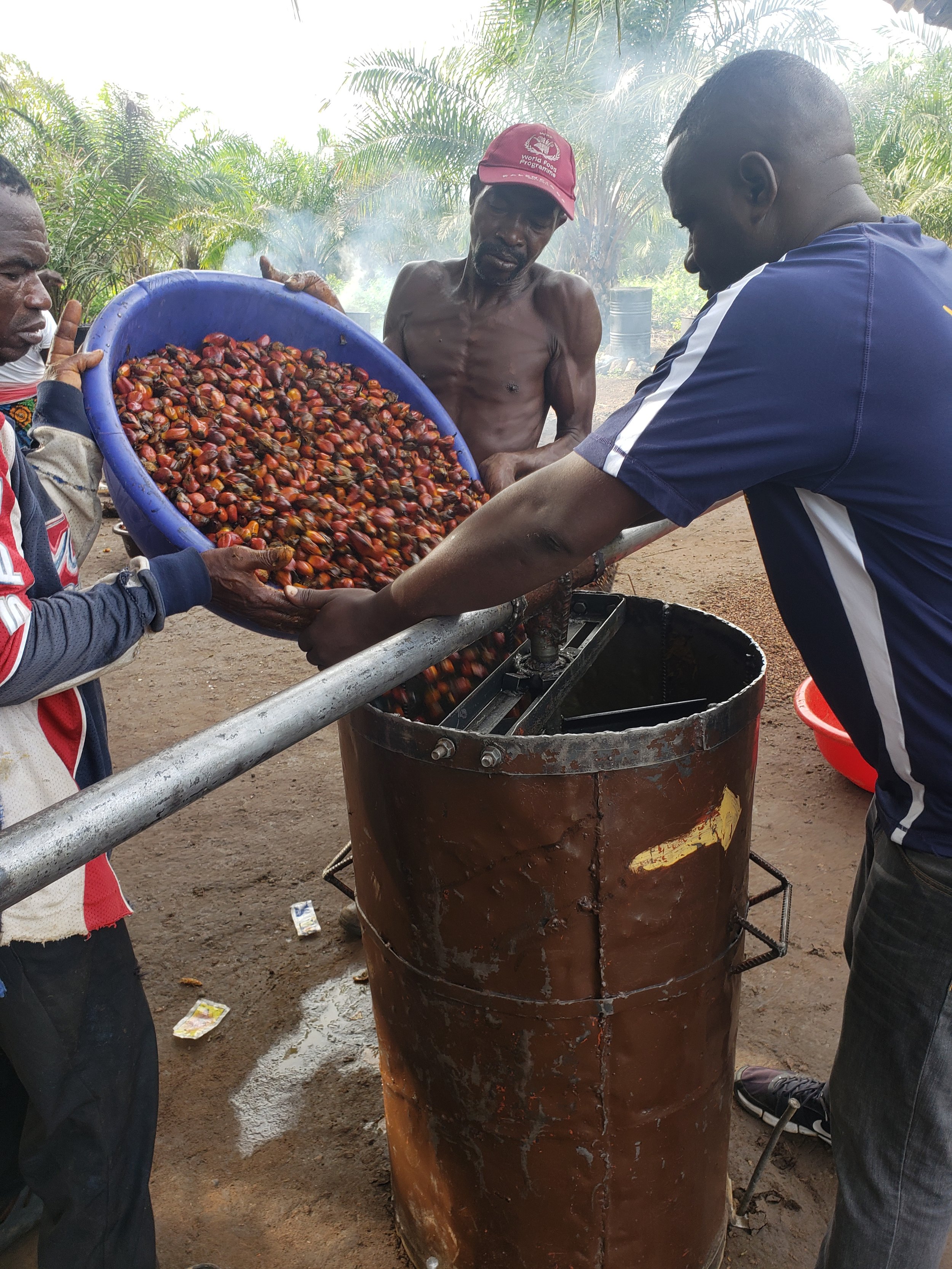
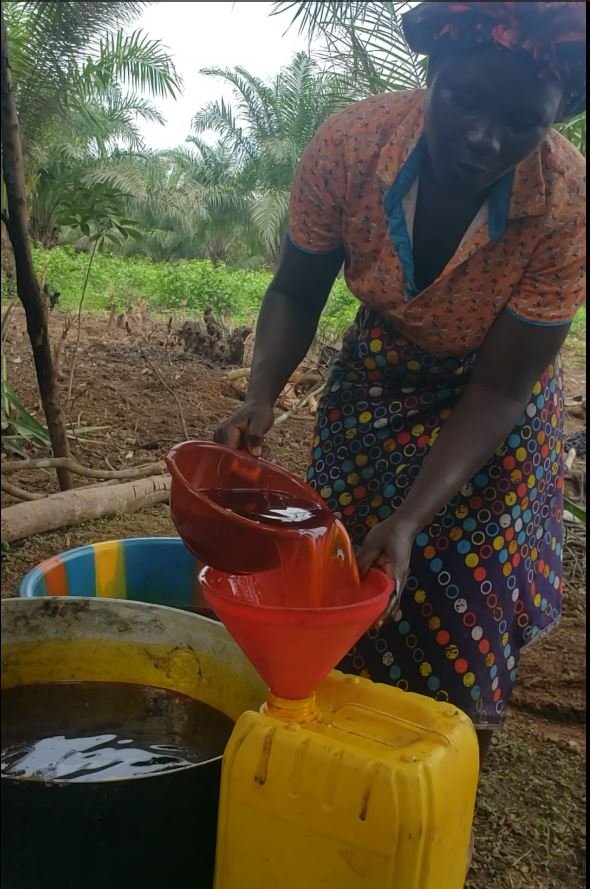
Sustainable Palm Oil Production
Cultivating Palm Oil & Its Challenges
Palm oil is one of the world's most widely used vegetable oils.
At least half of the packaged items on supermarket shelves—household products from baby food and chocolate to shampoo and detergent—contain palm oil. It can even be found in biofuels and cosmetics.
When done right, palm oil is the highest-yielding vegetable oil on the planet, producing 5-10 times more oil per acre than other commodity oils like soybean, sunflower, or canola.
Oil palm crops currently produce 70 million tons of palm oil a year, and demand is estimated to grow three-fold by 2050
Palm oil production has, however, been linked to environmental and social issues, including deforestation, habitat destruction, and human rights abuses.
EnviroOne Solution
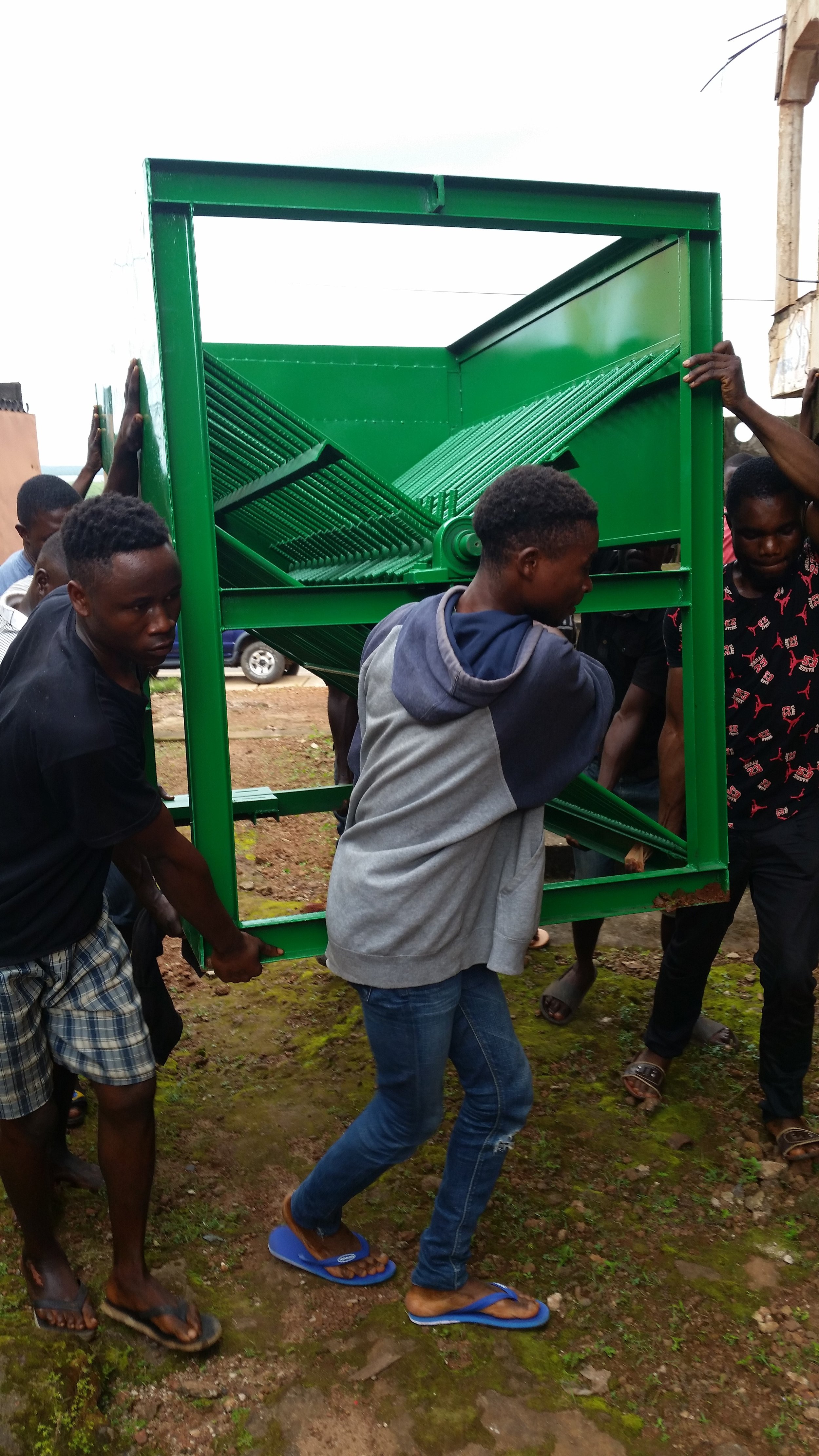
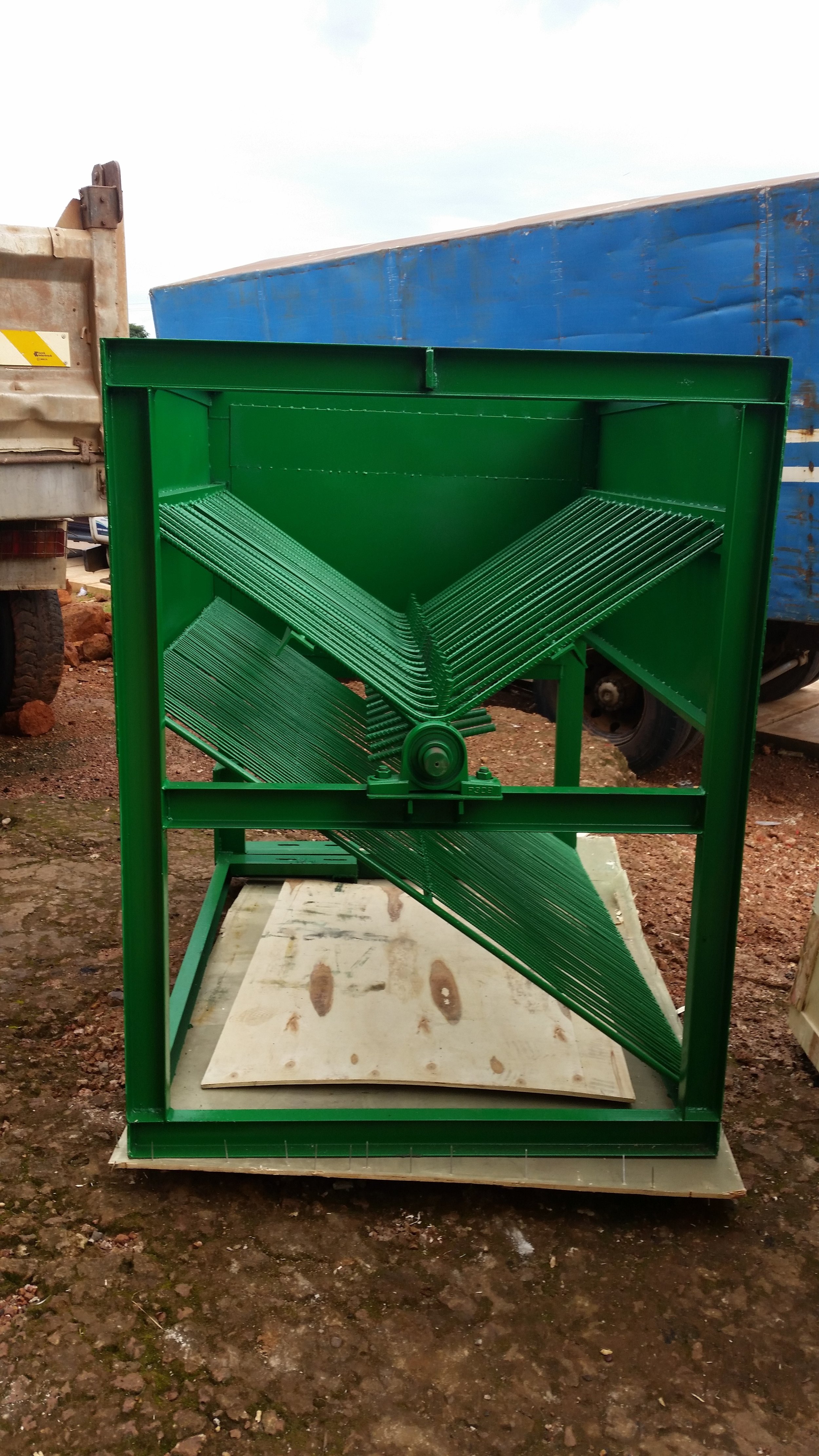
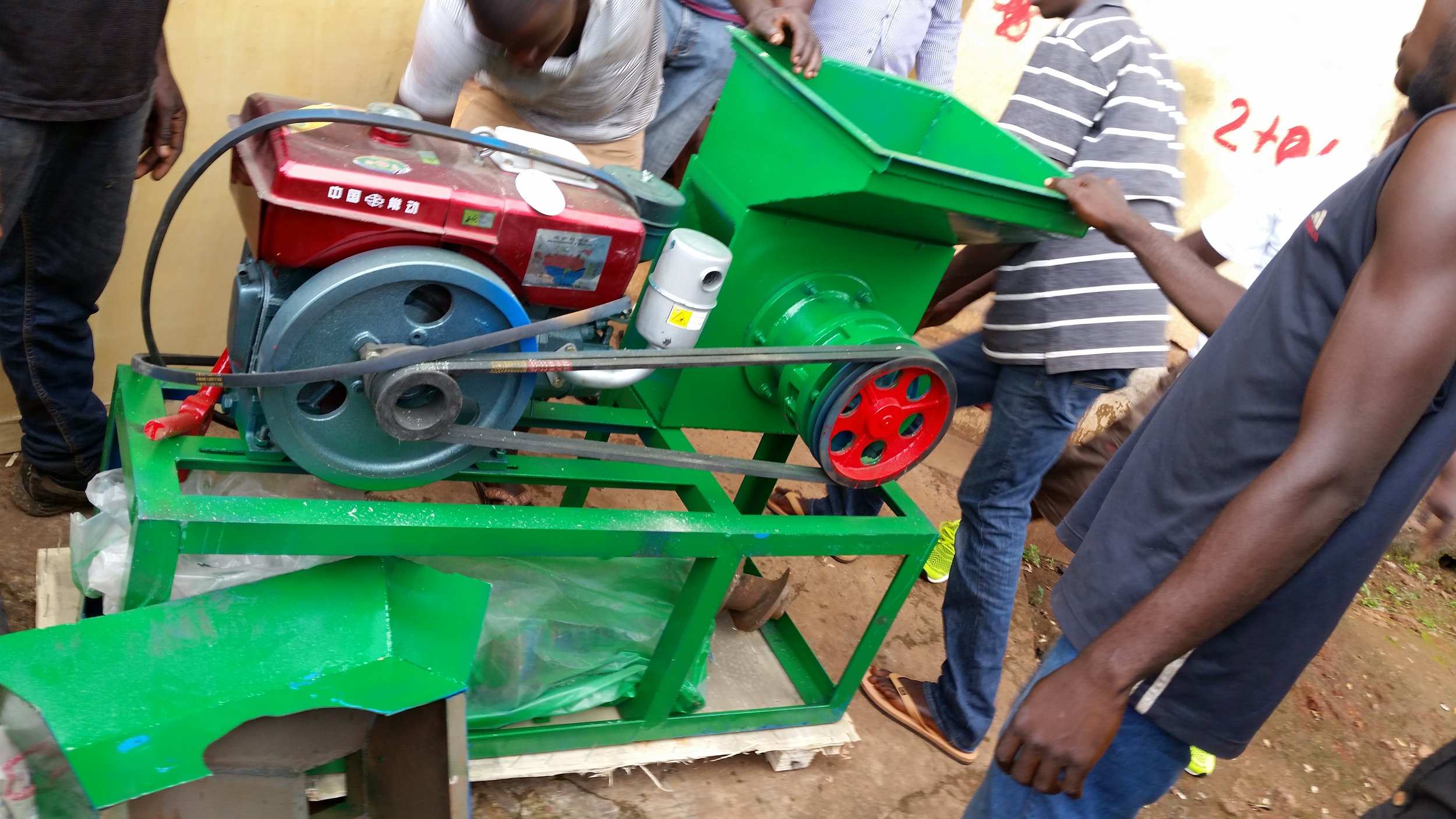
EnviroOne uses a variety of sustainability initiatives to ensure that palm oil is produced responsibly and sustainably.
· Growing palm oil without synthetic pesticides, herbicides or fertilizers.
· Cultivating diverse, non-commercial crops to attract beneficial insects
· Using empty palm bunches as nutrient-rich mulch and as fuel for the processing of the palm oil
· Multi-cropping for both biodiversity and economic stability
· Planting leguminous (i.e. “nitrogen fixing”) cover crops to nurture the soil and provide “green compost”
· Interplanting with other crops (cassava, corn, etc.) to increase farm biodiversity
· Reusing palm leaves and cuttings for mulch and compost to naturally increase the soil’s carbon content
· Sponsoring the planting of additional crops by farmers, providing them with a supplemental source of income
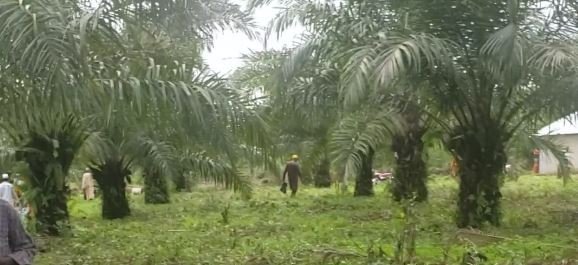
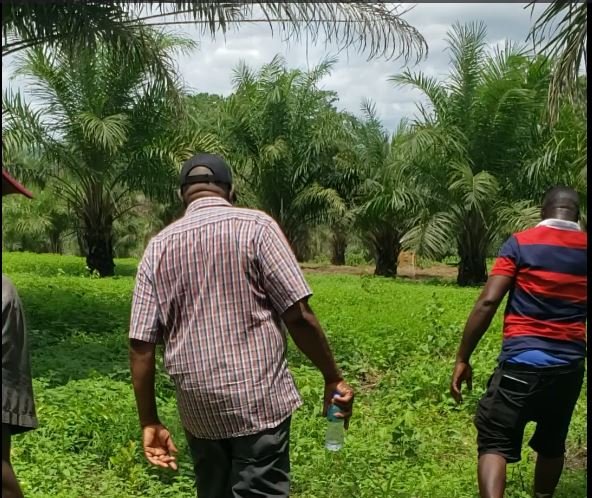

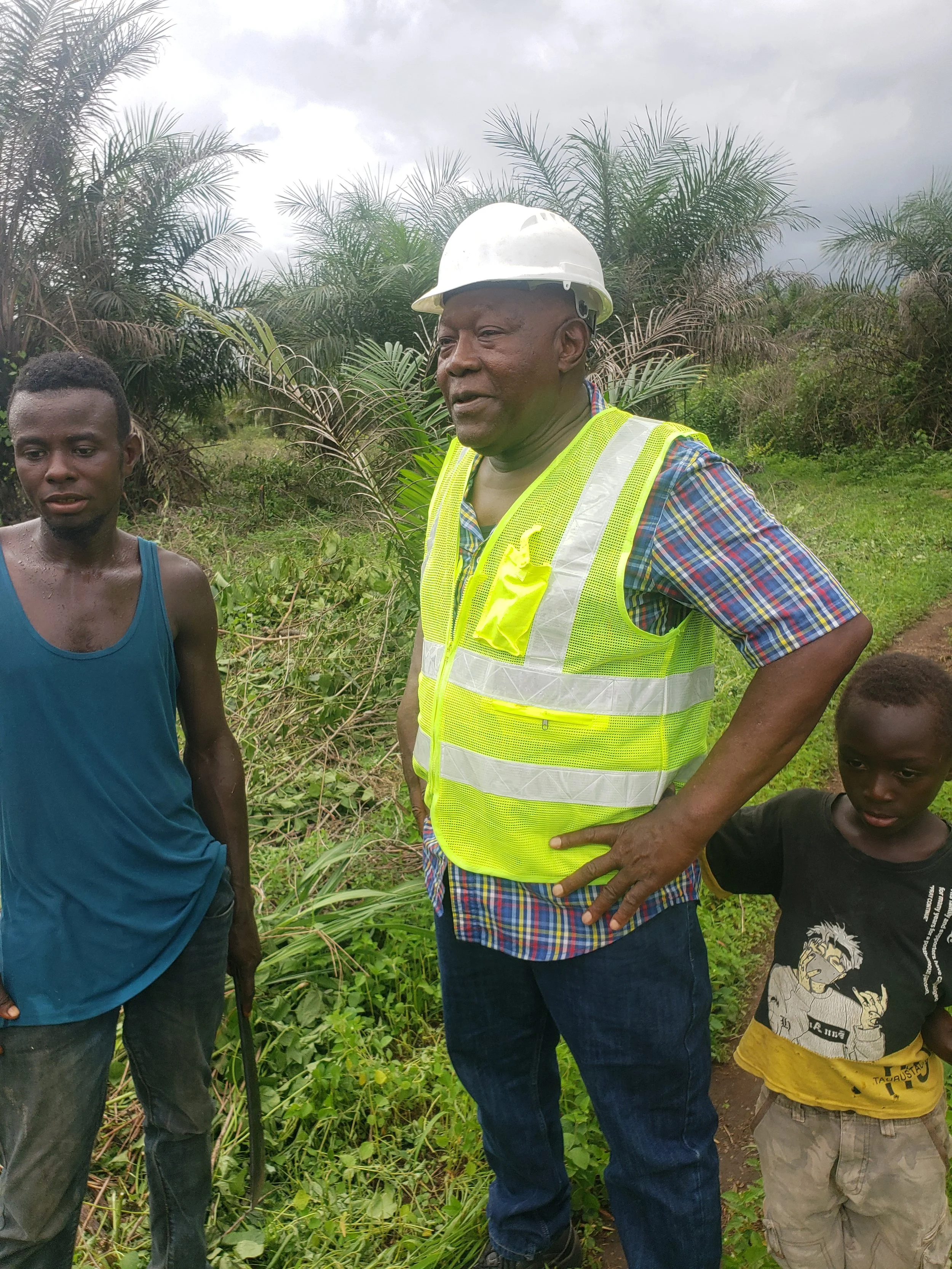

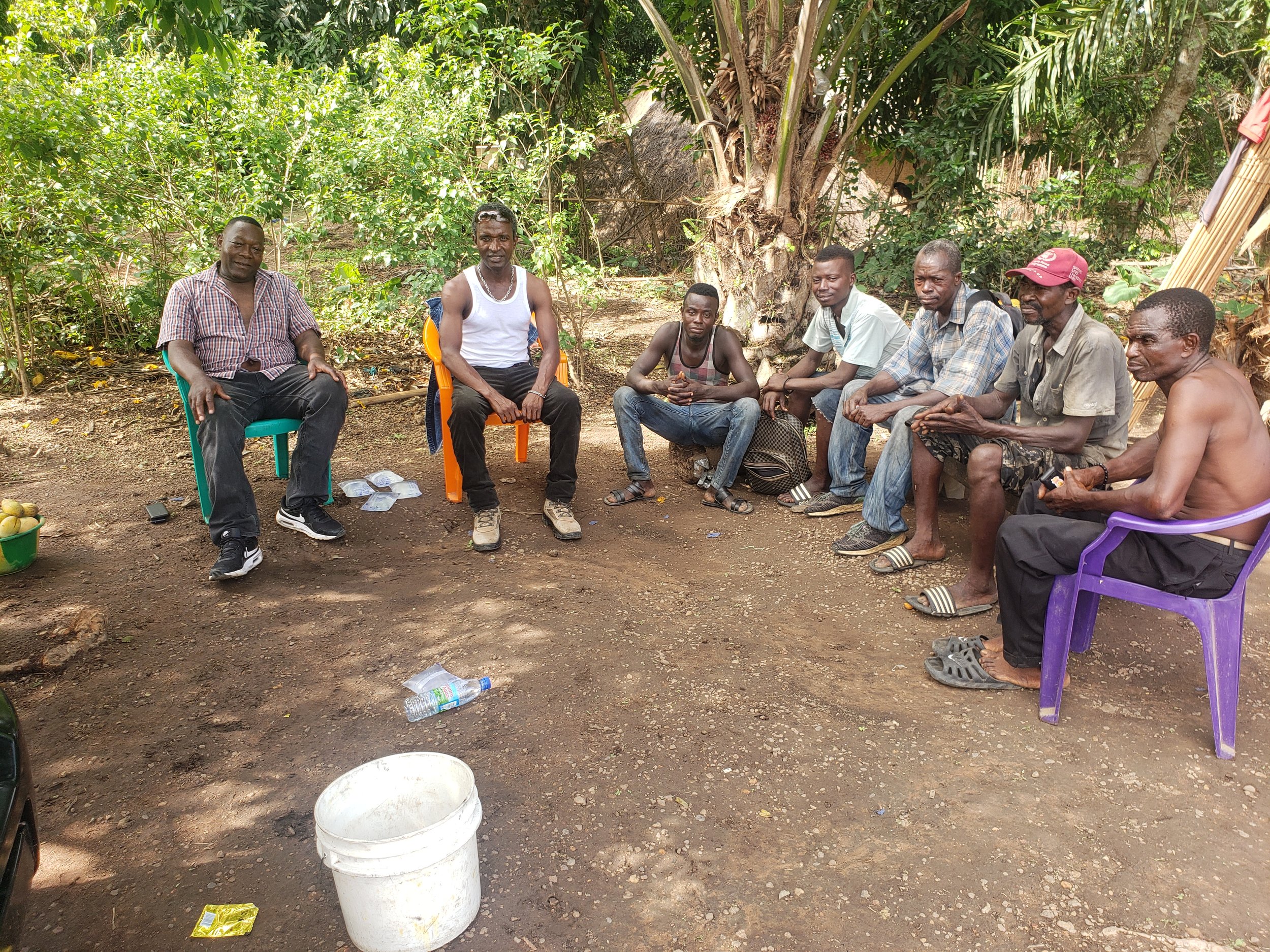
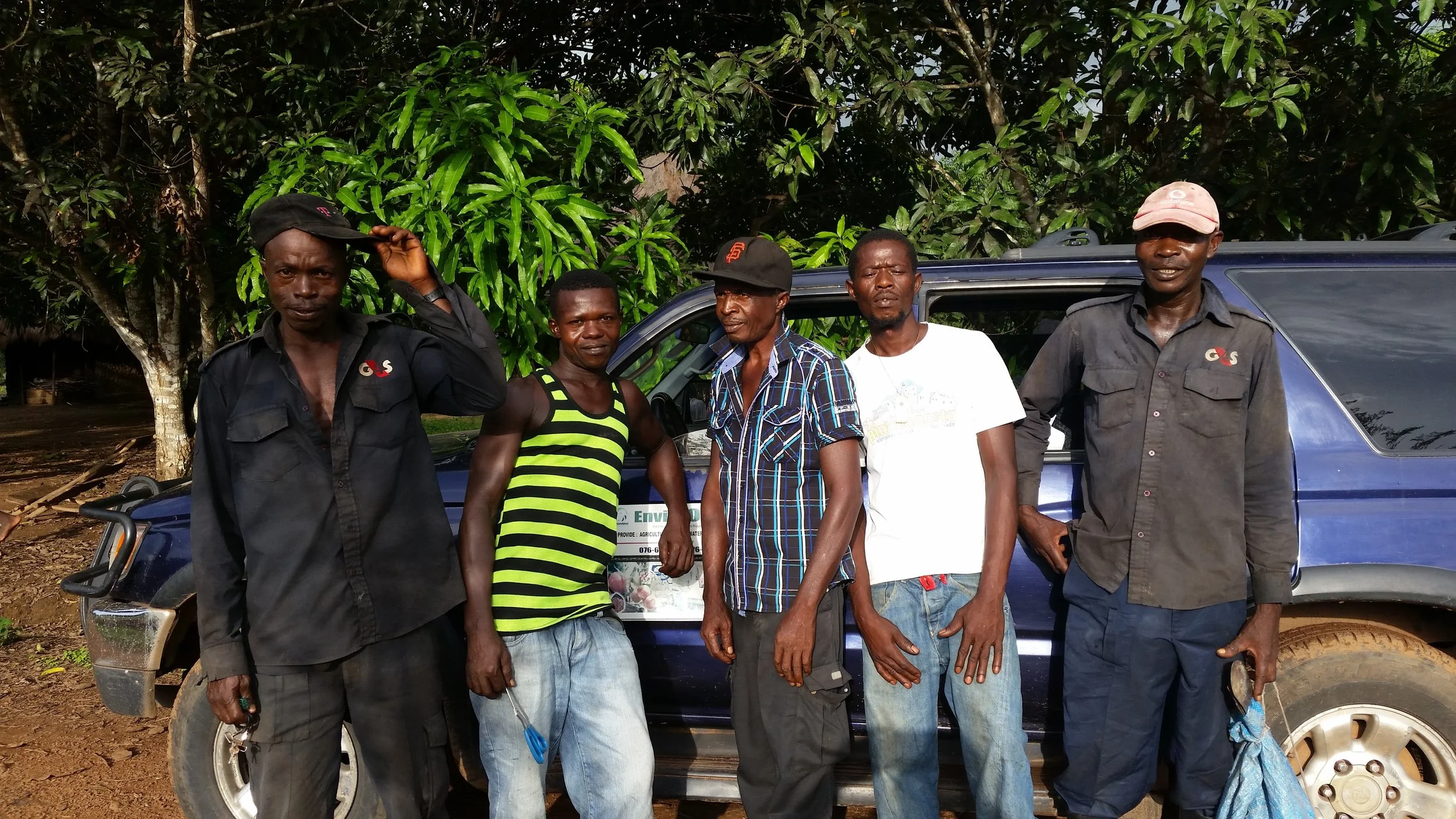
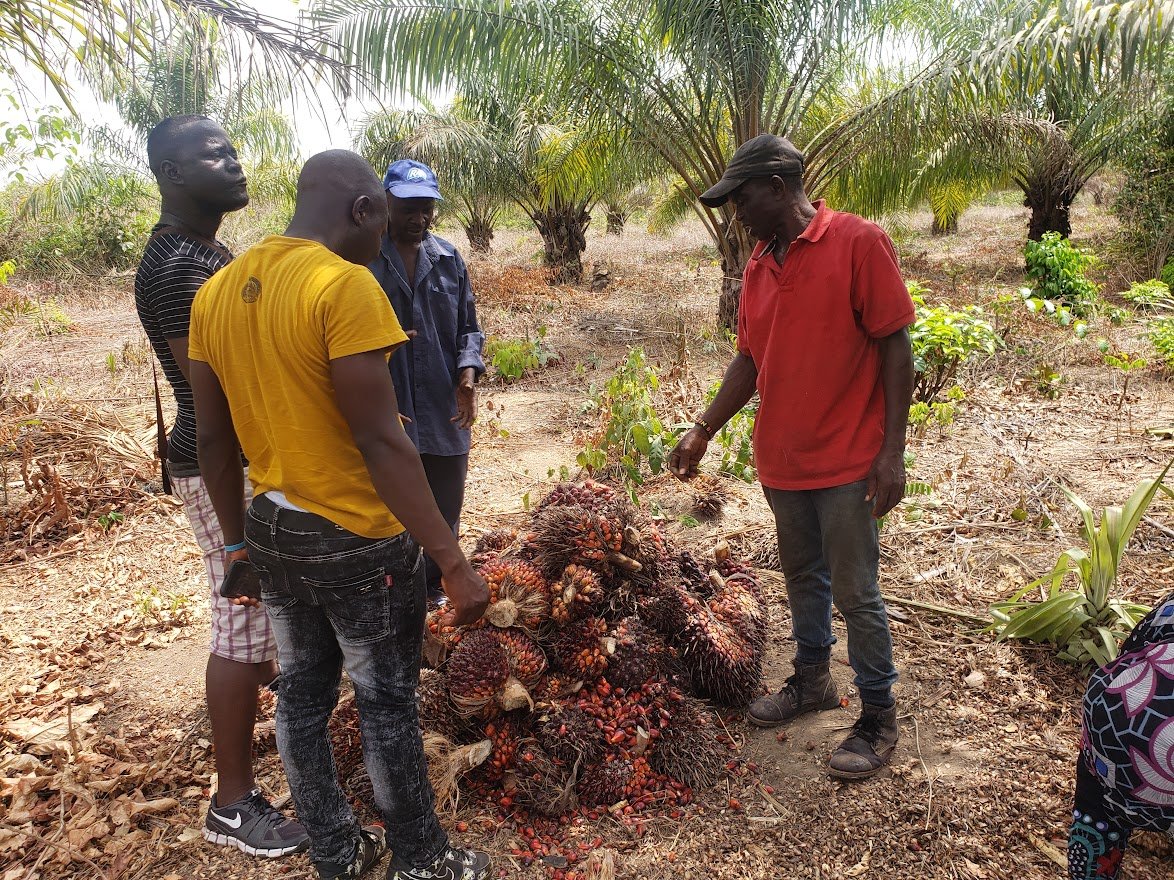
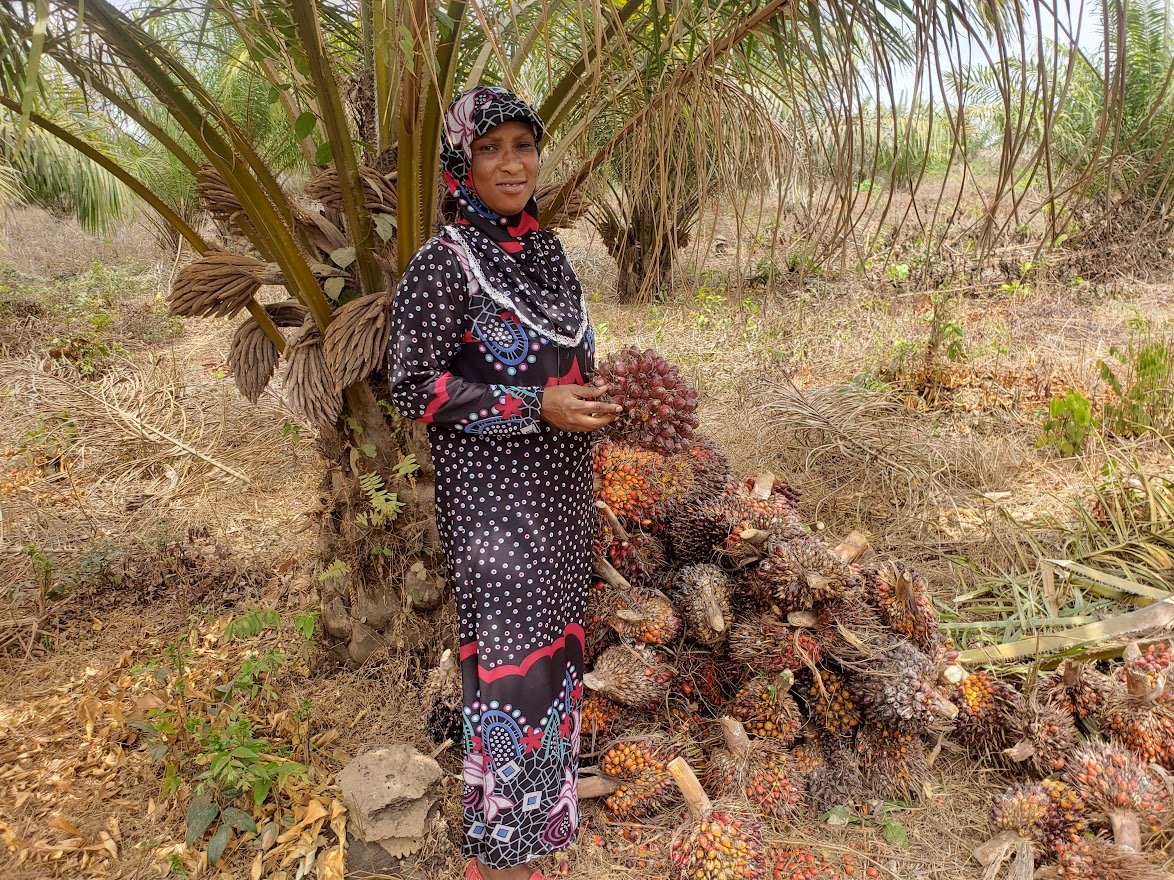
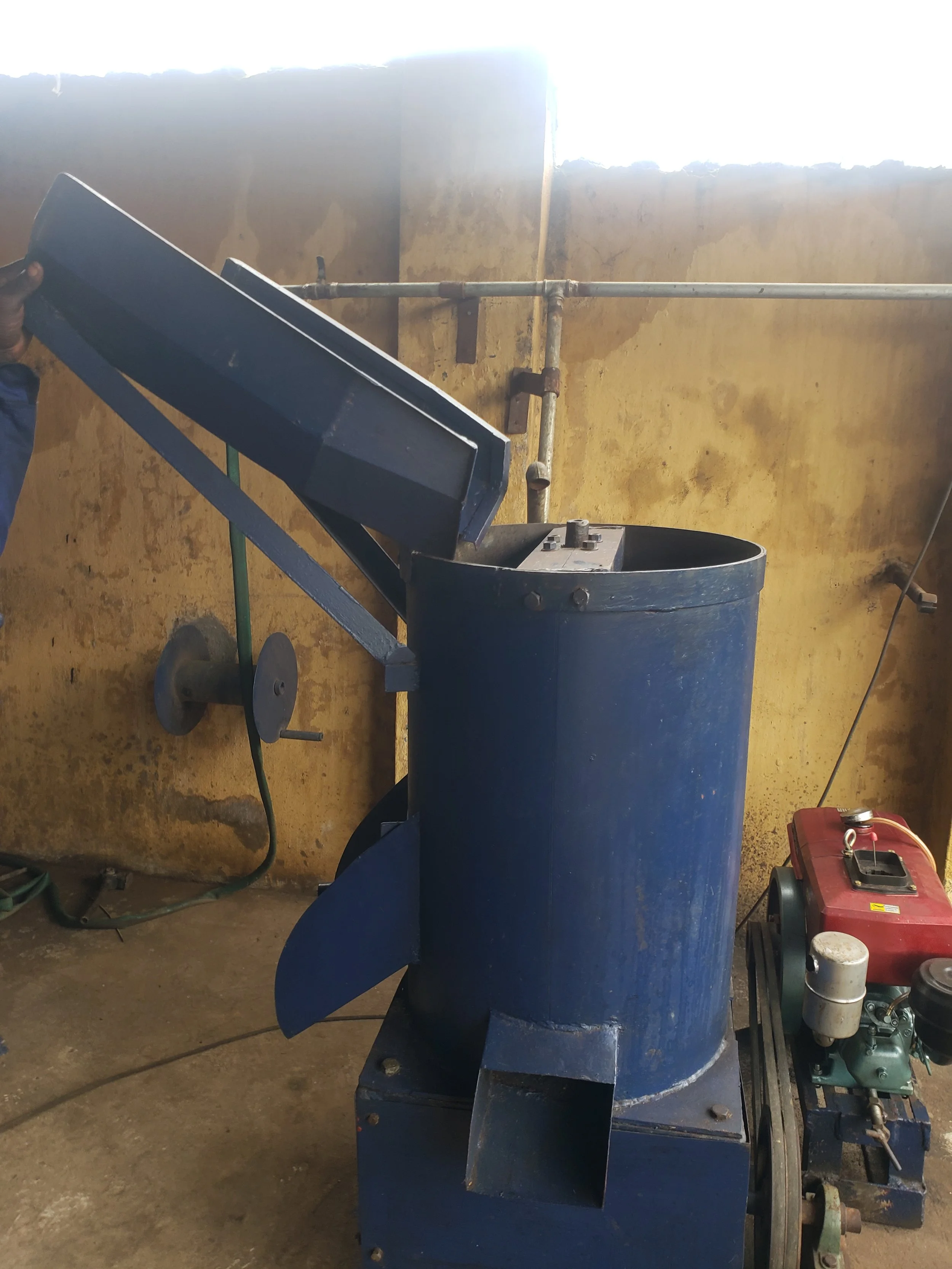
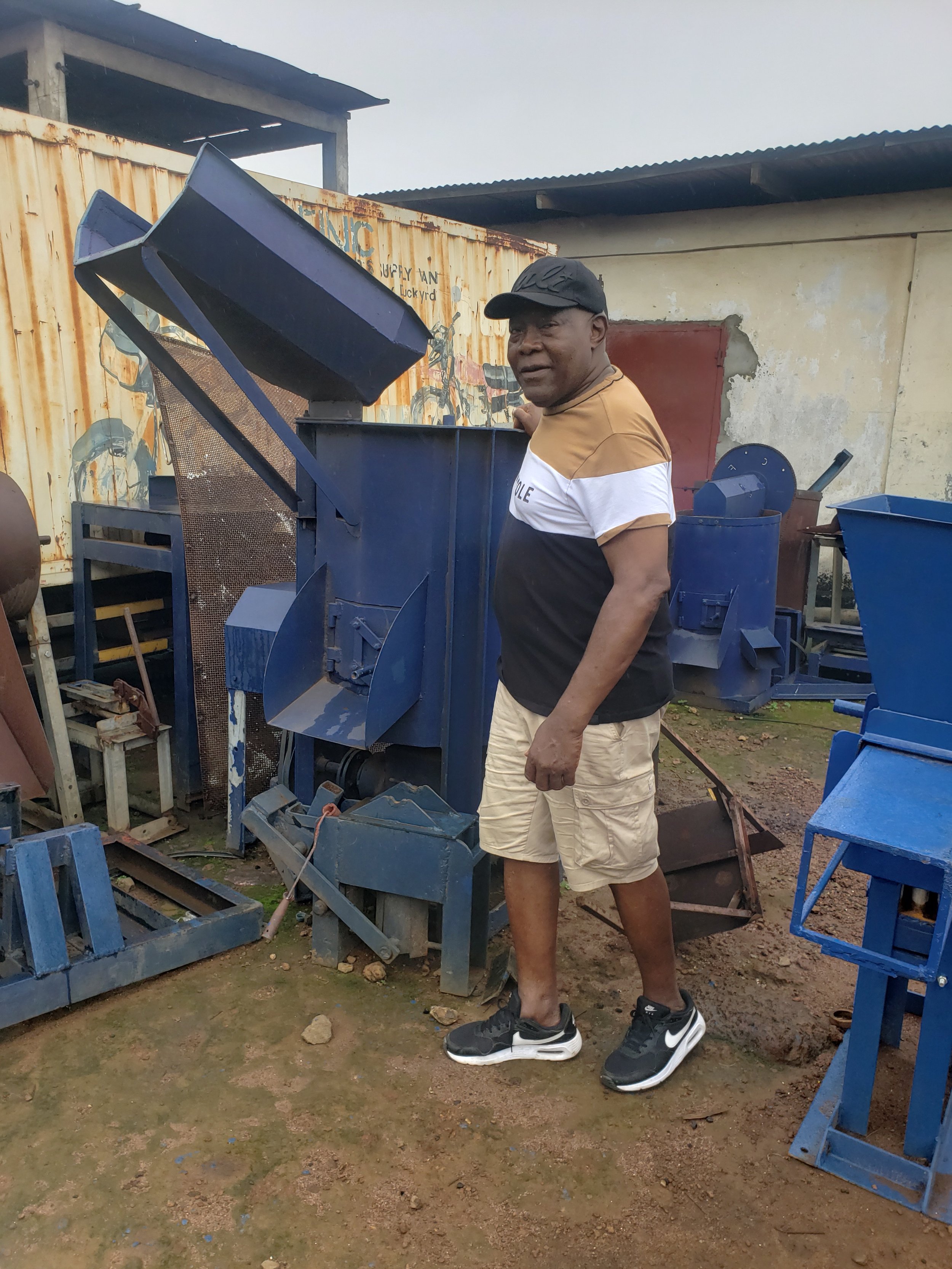
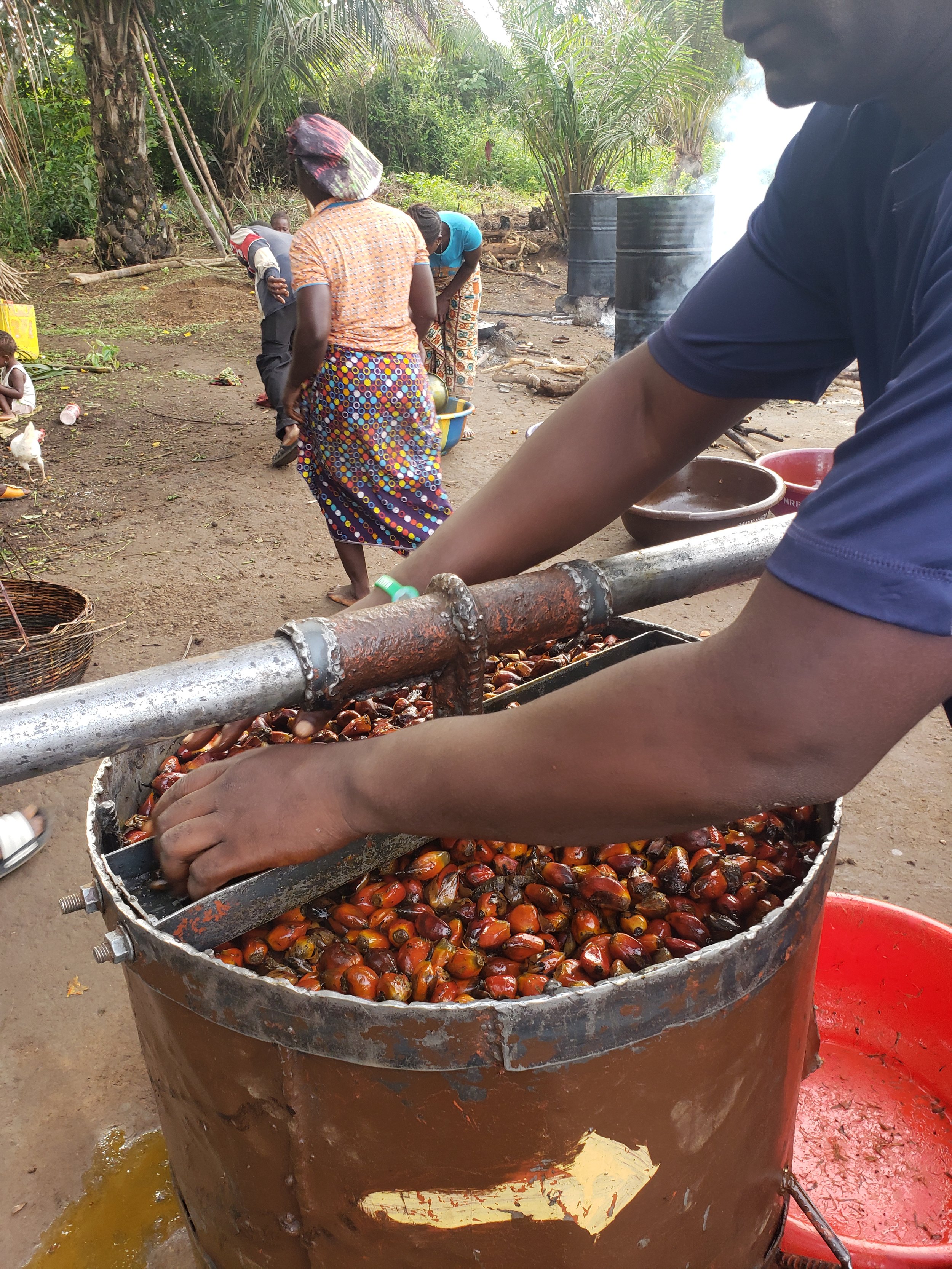
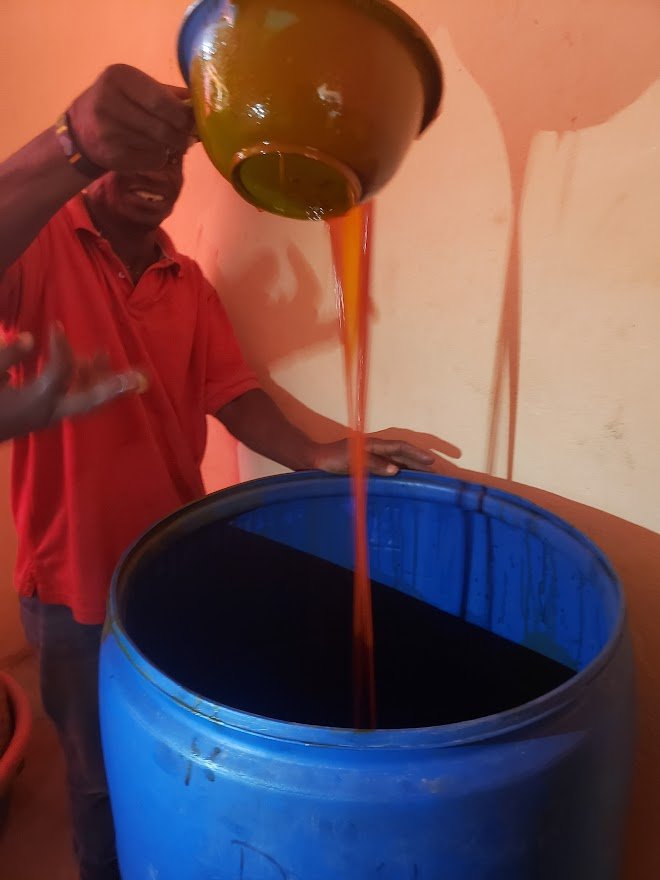
For more details on our agricultural activities, click HERE
Clean Water Production
2022: Mamunta - EnviroOne Water Well Drilling and Retrofitting Activities
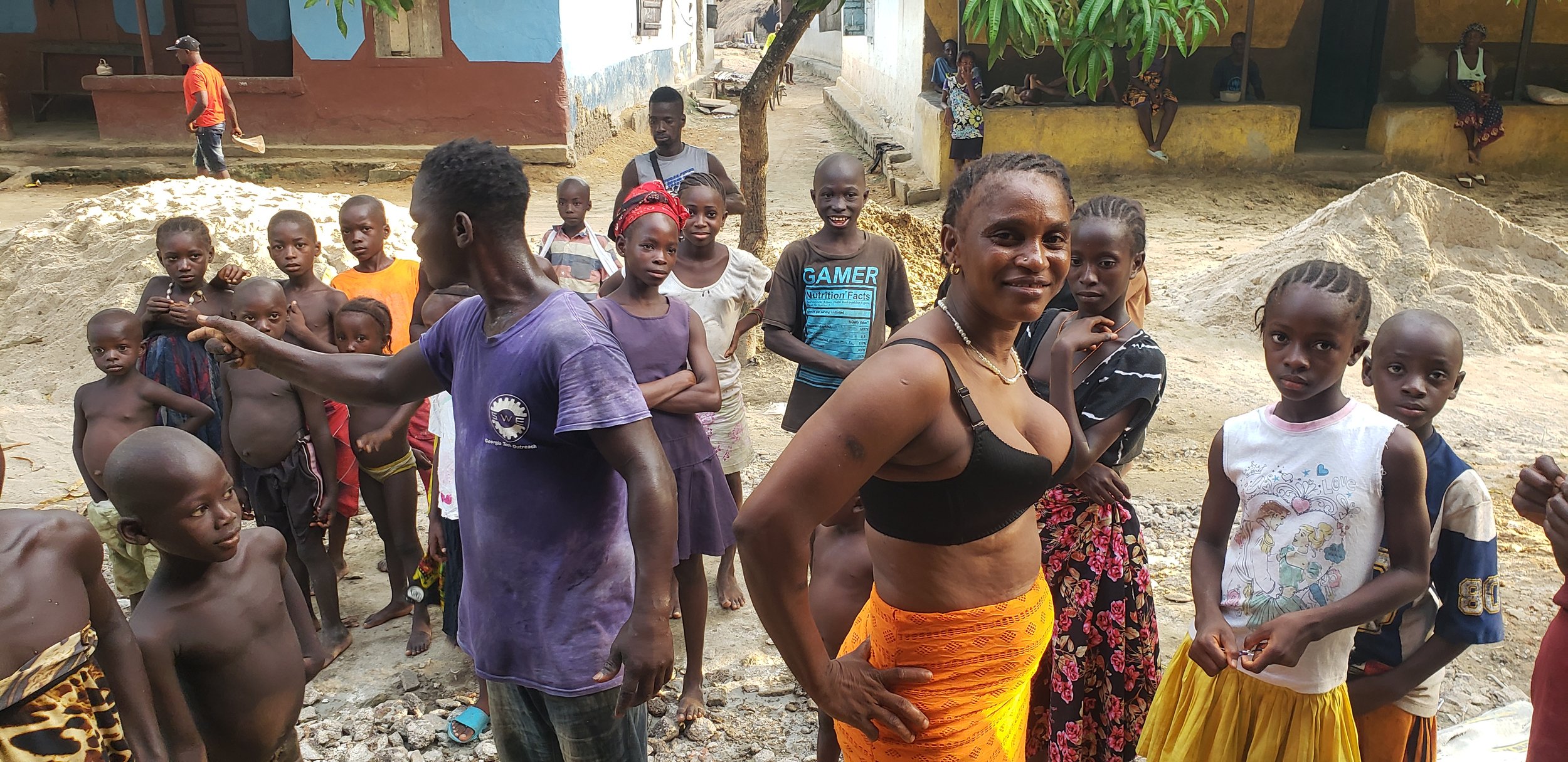
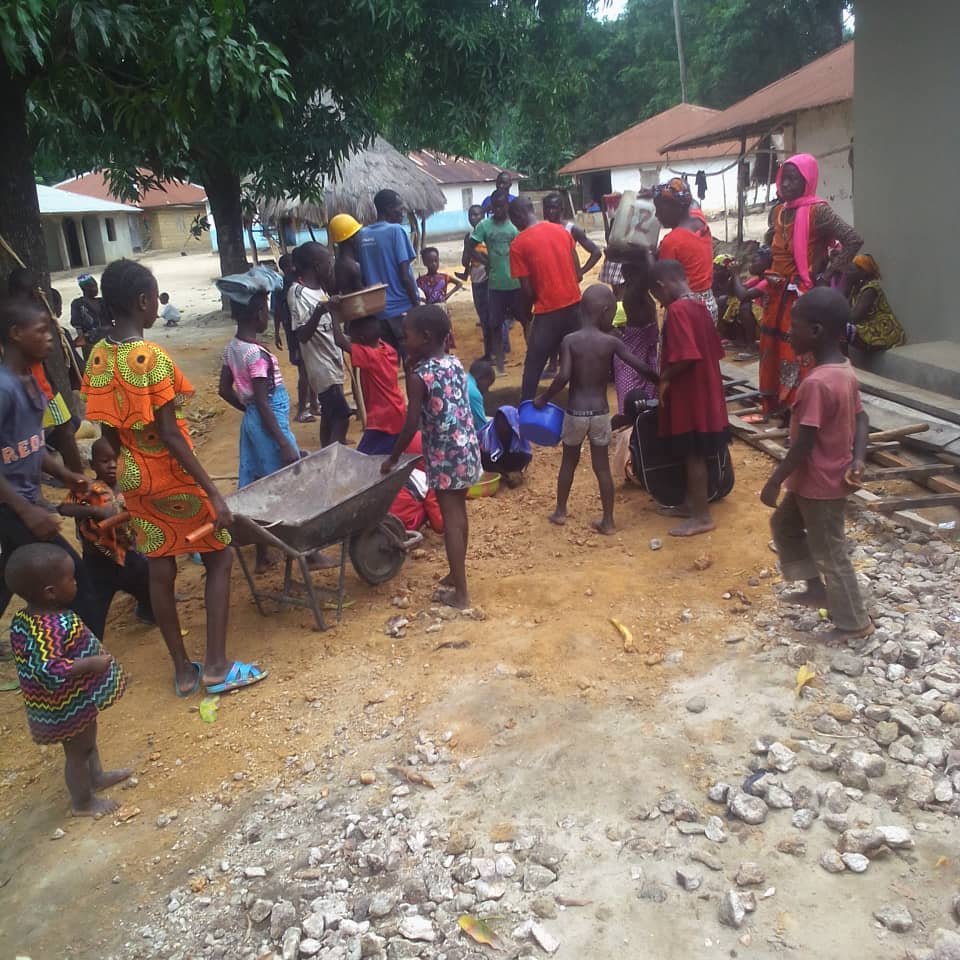
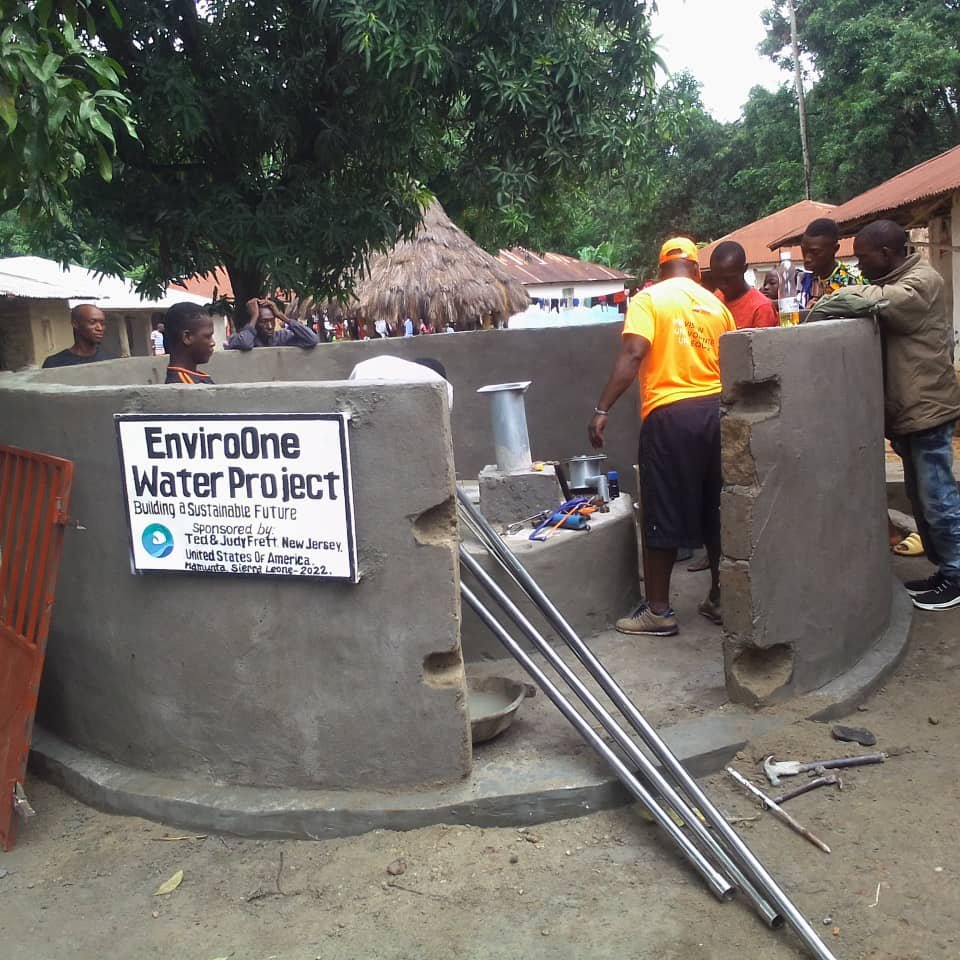
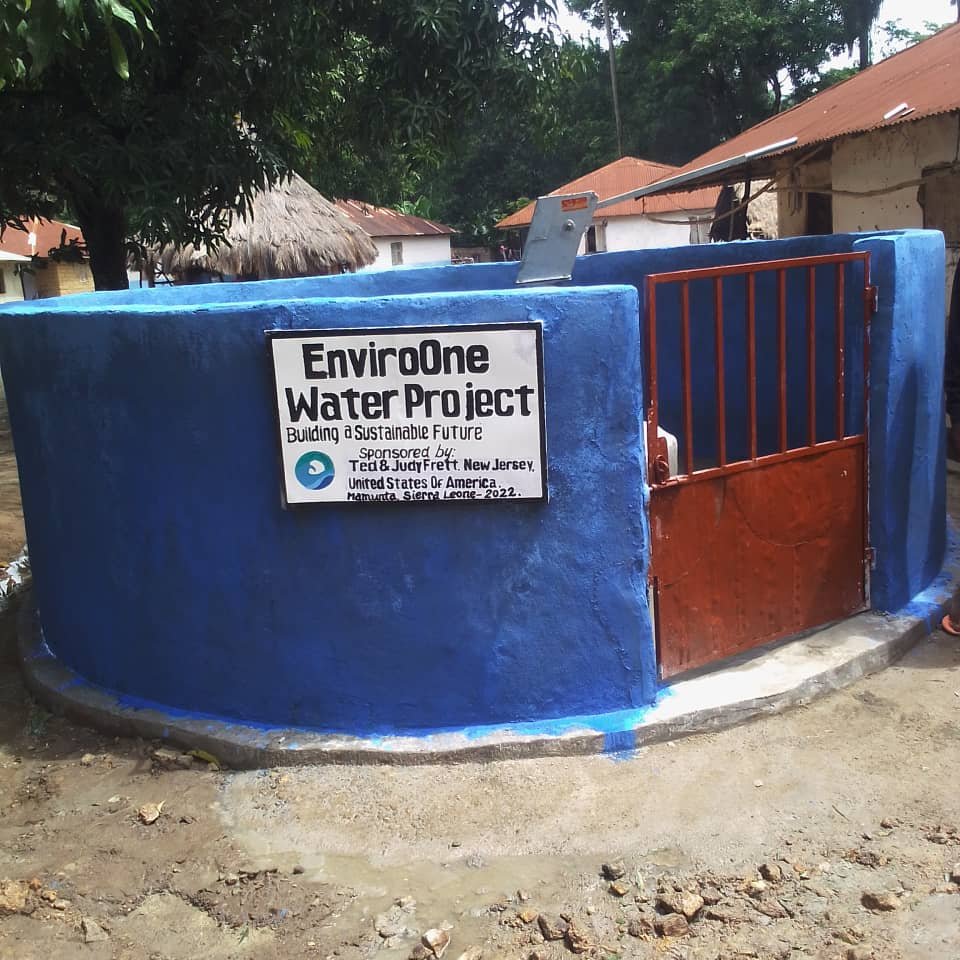
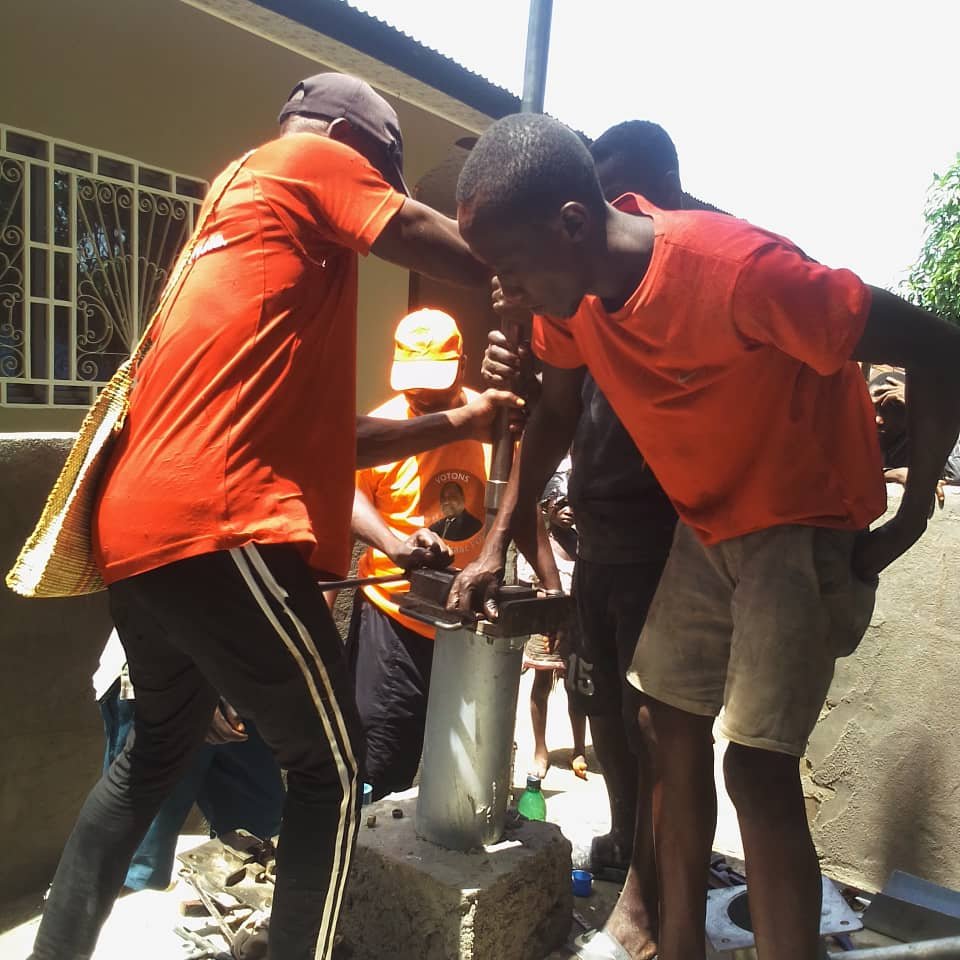
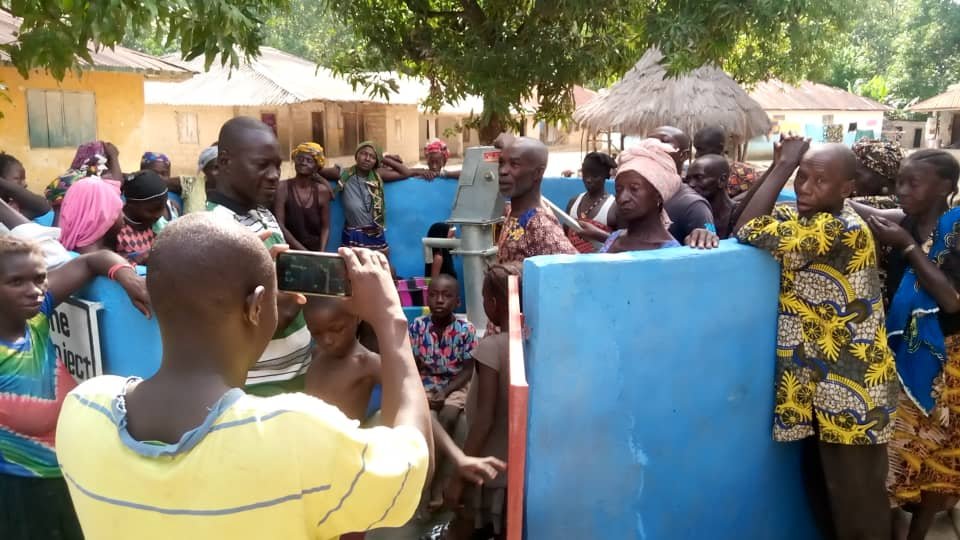
2022: Maloko Water Well Drilling and Opening Activities
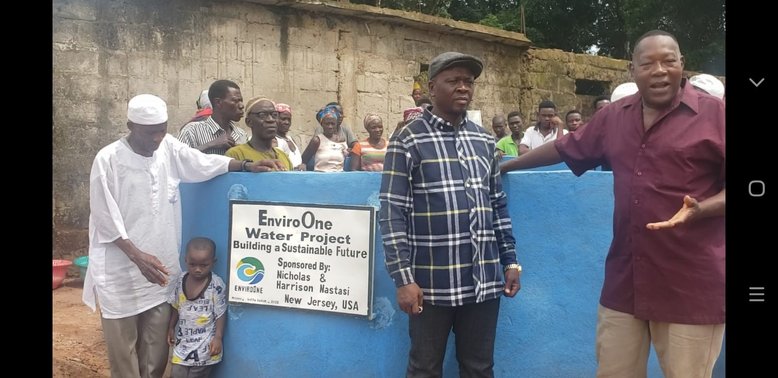
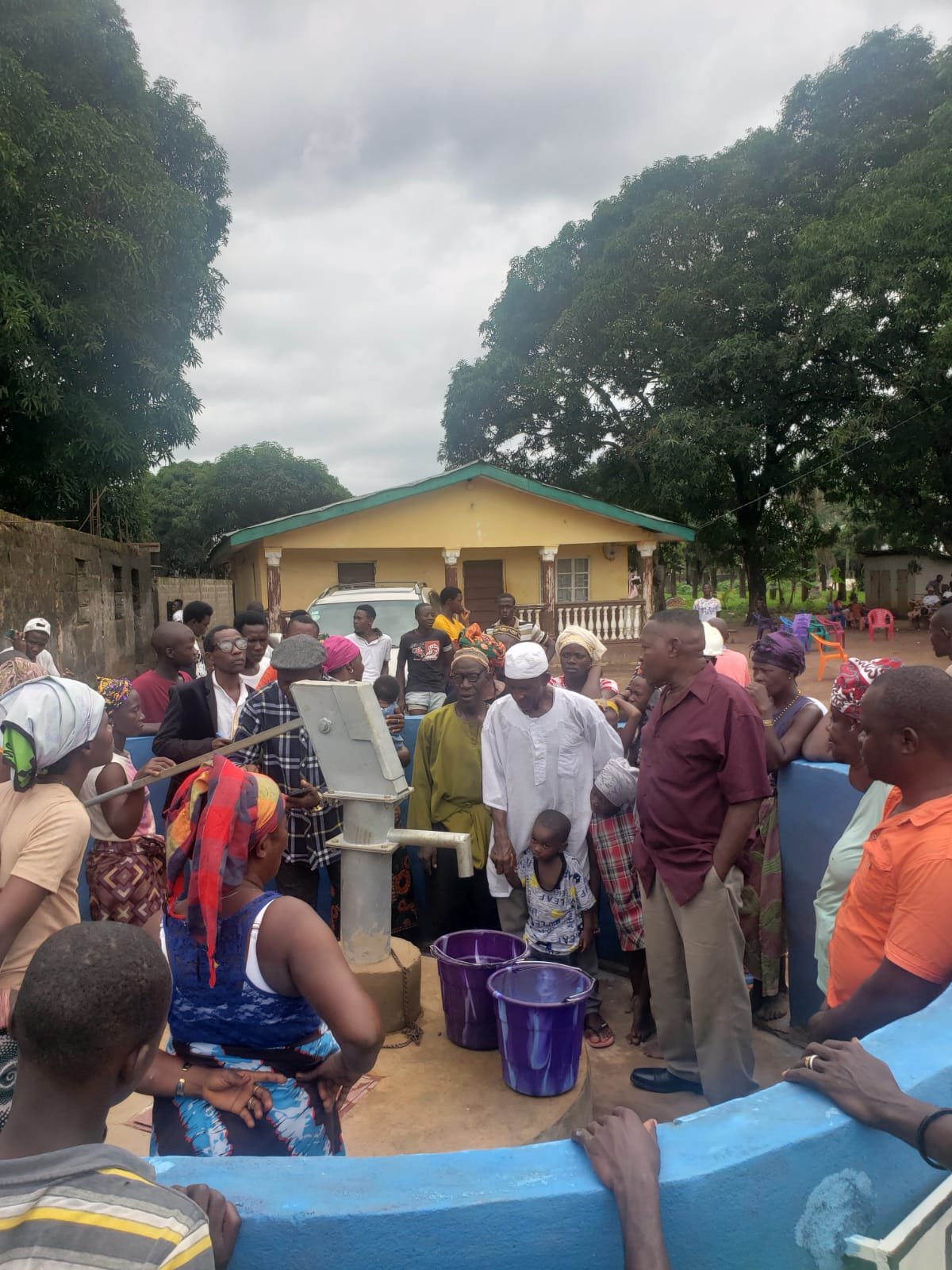
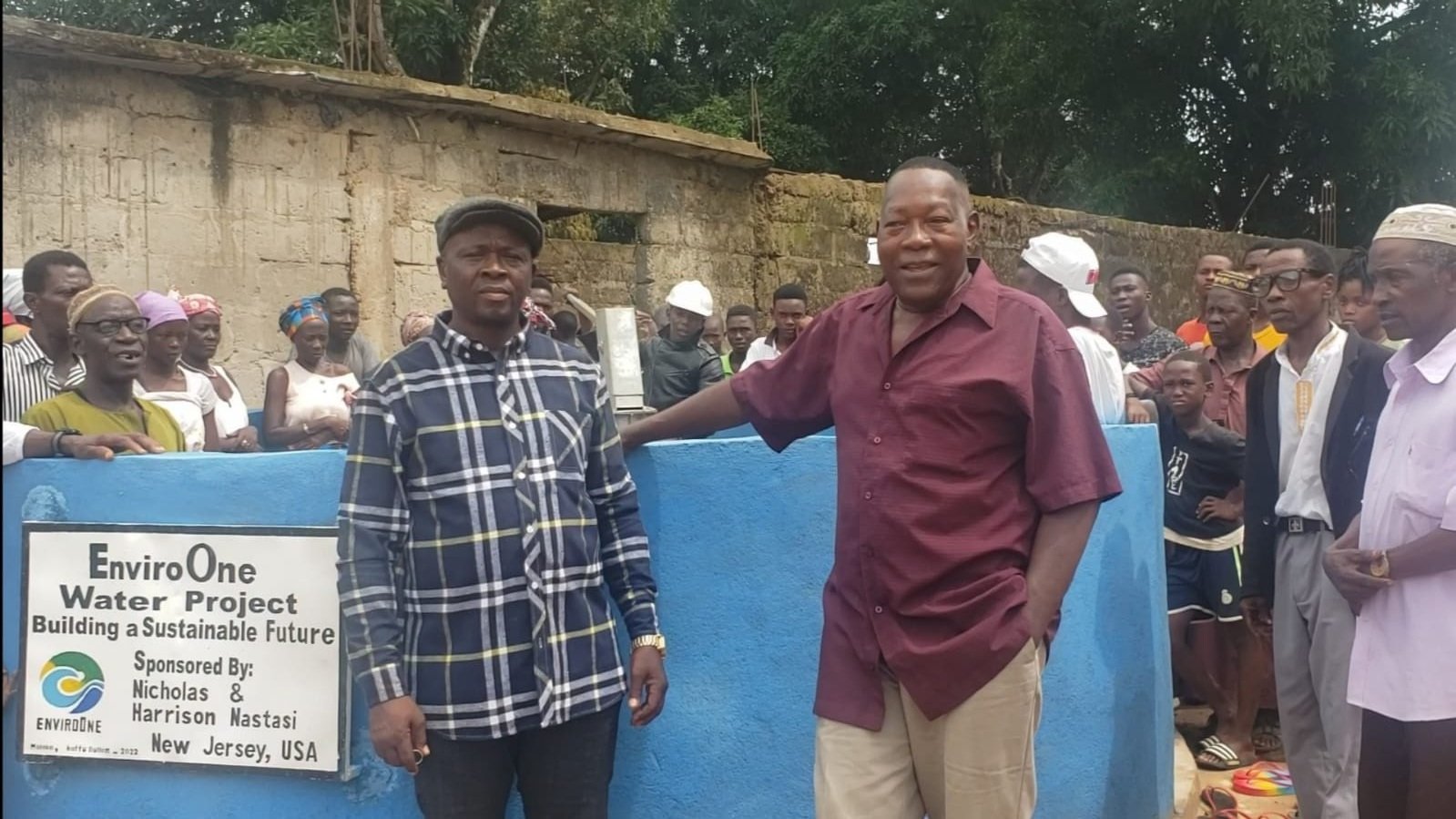
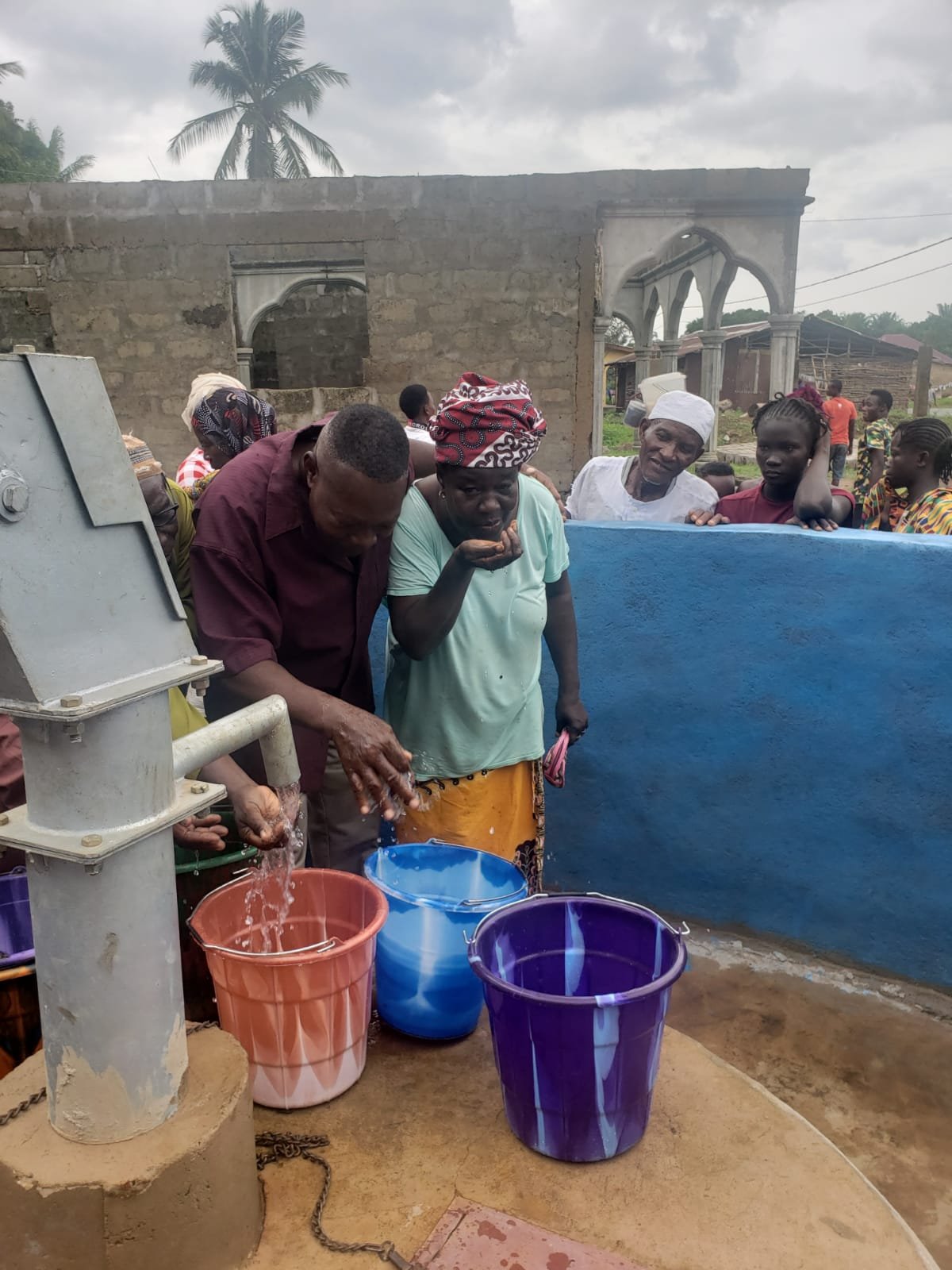
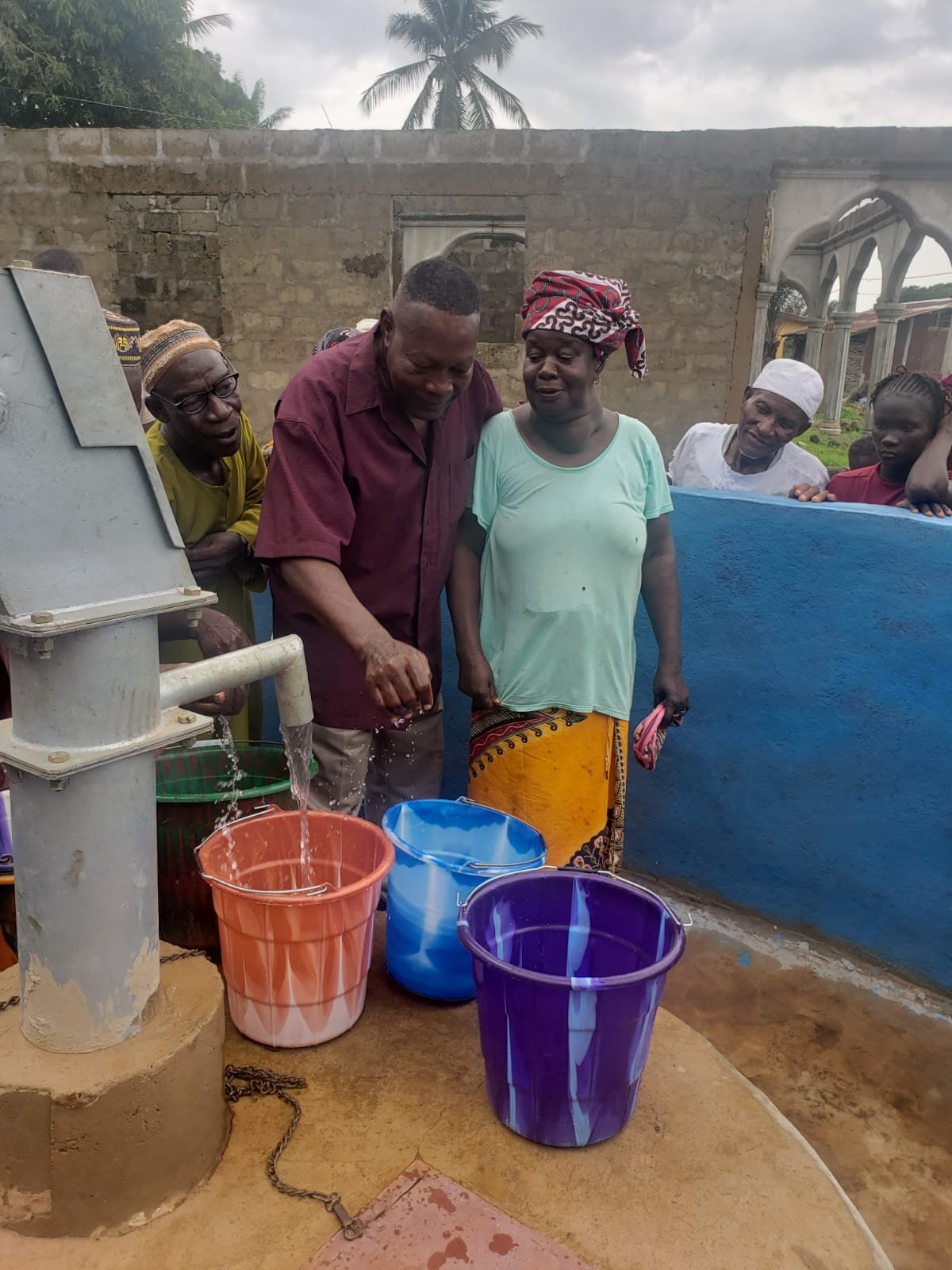
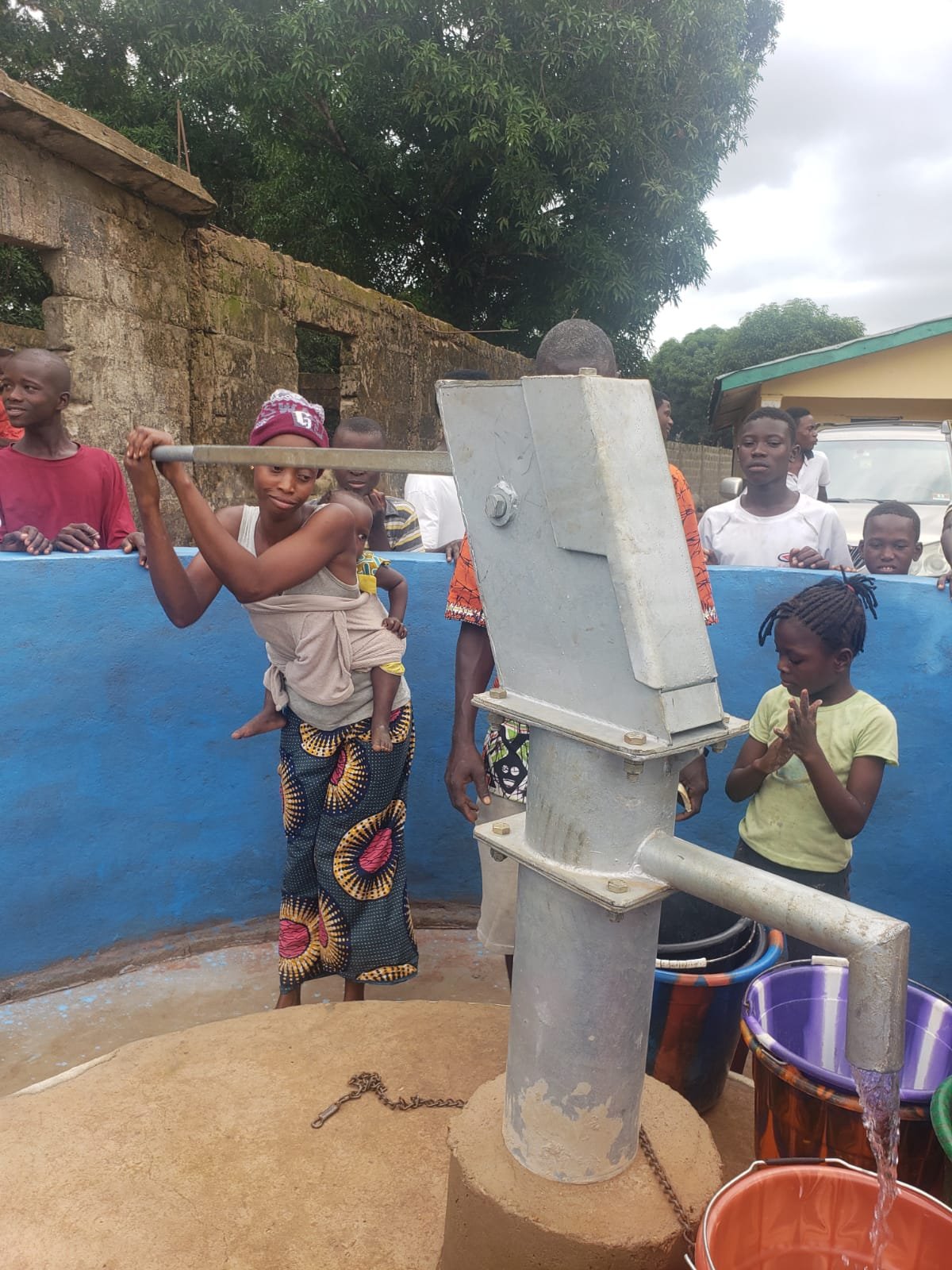
Retrofitting of the 2017 Provo-Sponsored Water Well
For more details on EnviroOne’s clean water activities, click HERE

Who We Are
EnviroOne is a 501(C)(3) non-profit organization dedicated to improving human development through agriculture, clean water, and capacity building.

Get Involved
You can donate; become a sponsor, a volunteer, an ambassador, an intern, or a corporate partner; or engage us in your church ministry, or event as a speaker.

Projects
EnviroOne projects are designed to improve the three basic aspects of human development: food (agriculture); good health (clean water); and education.
